can anorexia cause polycystic ovarian syndrome Polycystic ovary syndrome (pcos): causes, signs, and symptoms
Polycystic Ovary Syndrome (PCOS) is a common hormonal disorder that affects women of reproductive age. It is characterized by irregular periods, elevated levels of male hormones (androgens), and small cysts on the ovaries. PCOS can lead to a range of health problems, including infertility, diabetes, and heart disease. In this post, we will explore the causes, signs, and symptoms of PCOS and provide actionable tips for managing this condition. One of the primary causes of PCOS is insulin resistance. Insulin is a hormone that helps the body convert sugar into energy. When the body becomes resistant to insulin, it can lead to high blood sugar levels, which in turn can cause the ovaries to produce more androgen hormones. This can result in the development of cysts on the ovaries and other symptoms of PCOS. Other risk factors for PCOS include a family history of the condition, being overweight, and exposure to certain environmental toxins. Hormonal imbalances and inflammation can also contribute to the development of PCOS. The signs and symptoms of PCOS can be wide-ranging and vary from person to person. Some common symptoms include irregular periods, acne, unwanted hair growth (hirsutism), and weight gain. Women with PCOS may also experience fertility problems and have a higher risk of developing type 2 diabetes and heart disease. If you suspect that you may have PCOS, it is important to consult with a healthcare provider. They can perform a physical exam, review your medical history, and order blood tests to check your hormone levels. In some cases, an ultrasound may also be recommended to check for cysts on the ovaries. There is no cure for PCOS, but there are many ways to manage the symptoms and reduce the risk of complications. Some lifestyle changes that can help include maintaining a healthy weight, engaging in regular physical activity, and following a balanced diet. In addition, certain medications can be used to help regulate menstrual cycles, control acne and unwanted hair growth, and manage other symptoms of PCOS. In conclusion, PCOS is a common and complex condition that can have a significant impact on a woman’s health and well-being. While there is no cure, there are many effective ways to manage the symptoms and reduce the risk of complications. If you suspect that you may have PCOS, don’t hesitate to reach out to your healthcare provider for guidance and support.
If you are searching about What is Polycystic Ovarian Syndrome and Why Can It Interfere with you’ve came to the right place. We have 5 Pictures about What is Polycystic Ovarian Syndrome and Why Can It Interfere with like Polycystic Ovary Syndrome (PCOS): Causes, Signs, and Symptoms, 5 Factors That Cause Your #PCOS! For More Visit :http and also How Polycystic Ovarian Syndrome Effects Your Skin - NOVA Plastic. Here it is:
What Is Polycystic Ovarian Syndrome And Why Can It Interfere With
 www.nyreproductivewellness.comfertility polycystic syndrome interfere ovarian why august posted
Polycystic Ovary Syndrome (PCOS): Causes, Signs, And Symptoms
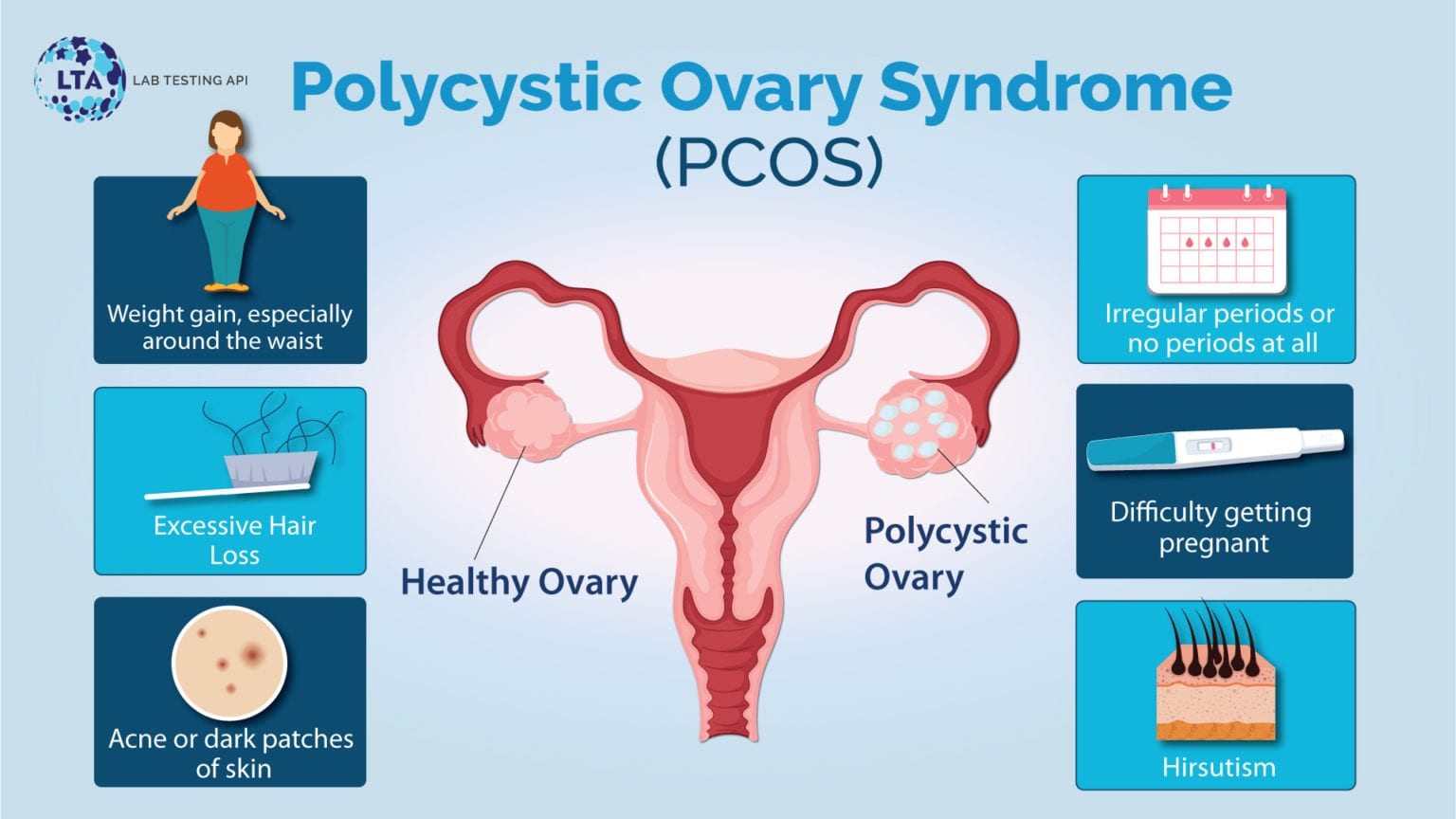 blog.labtestingapi.compolycystic syndrome ovary pcos symptoms
Everything You Need To Know Polycystic Ovarian Syndrome
 www.womensweekly.com.sgunplanned polycystic ovarian adoption unwanted ccda
How Polycystic Ovarian Syndrome Effects Your Skin - NOVA Plastic
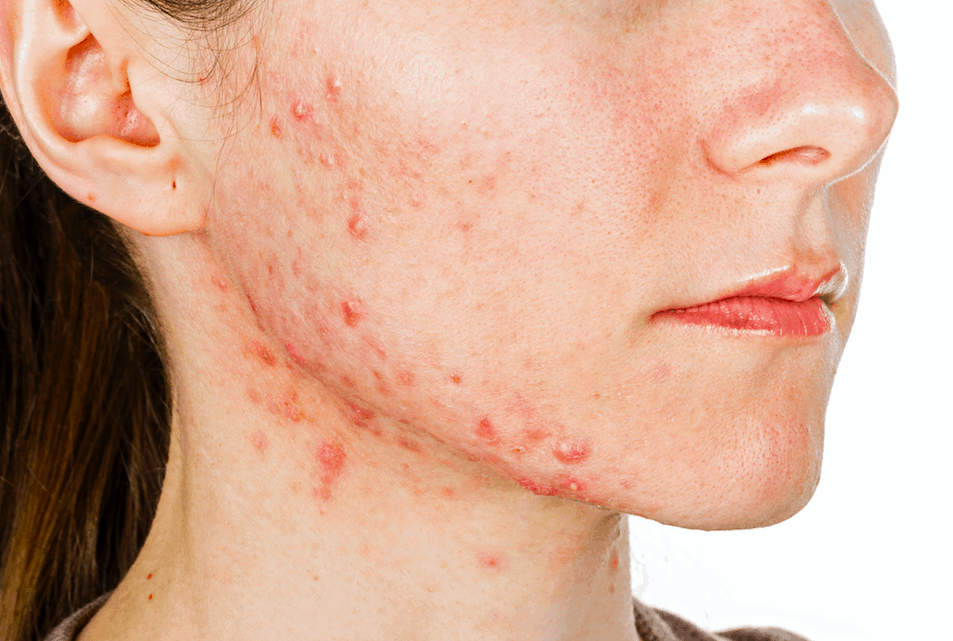 www.novaplasticsurgery.compolycystic syndrome ovarian skin effects surgery
5 Factors That Cause Your #PCOS! For More Visit :http
 www.pinterest.compcos polycystic syndrome ovarian cause causes pcod symptoms treatment factors cyst acupuncture pregnant ovary fightyourinfertility visit does rid fertility plexus
5 factors that cause your #pcos! for more visit :http. Fertility polycystic syndrome interfere ovarian why august posted. Everything you need to know polycystic ovarian syndrome